







Traditional card issuing wasn't designed for the fintech era. It was built for banks with year-long planning cycles, dedicated compliance teams, and the patience to navigate bureaucratic vendor relationships. Fintechs operate differently and they need to ship fast, iterate constantly, and adapt to market feedback in weeks, not quarters.
Complexity that kills innovation:
Launch timelines often stretched 6-12 months. Want to add a loyalty program? That's a separate contract. Corporate cards? Another vendor. Travel rewards? Start from scratch. The modularity fintechs needed simply didn't exist.Opacity breeds frustration:
Black-box processes (like card artwork approval) meant you submitted and hoped for the best. No real-time updates. No data to make informed decisions. Trust built on faith, not visibility.The innovation tax:
Every customization required extensive back-and-forth with vendors who weren't incentivized to move fast. Innovation wasn't encouraged, it was penalized with longer timelines and higher costs.
Fintechs wanted to move fast. Infrastructure said "wait in line."
The AGNI Method Applied
Business ↔ Users: Fintechs needed speed-to-market. End users needed reliable cards. We built modular solutions serving both.
Innovation ↔ Familiarity: Built on Mantine design system, battle-tested components users already understand, customized to feel distinctly theirs.
Possible ↔ Ideal: Mastercard certification takes months. Solution: design around reality. Make constraints invisible through smart workflows and background automation.




Building the Platform
Discovery Phase:
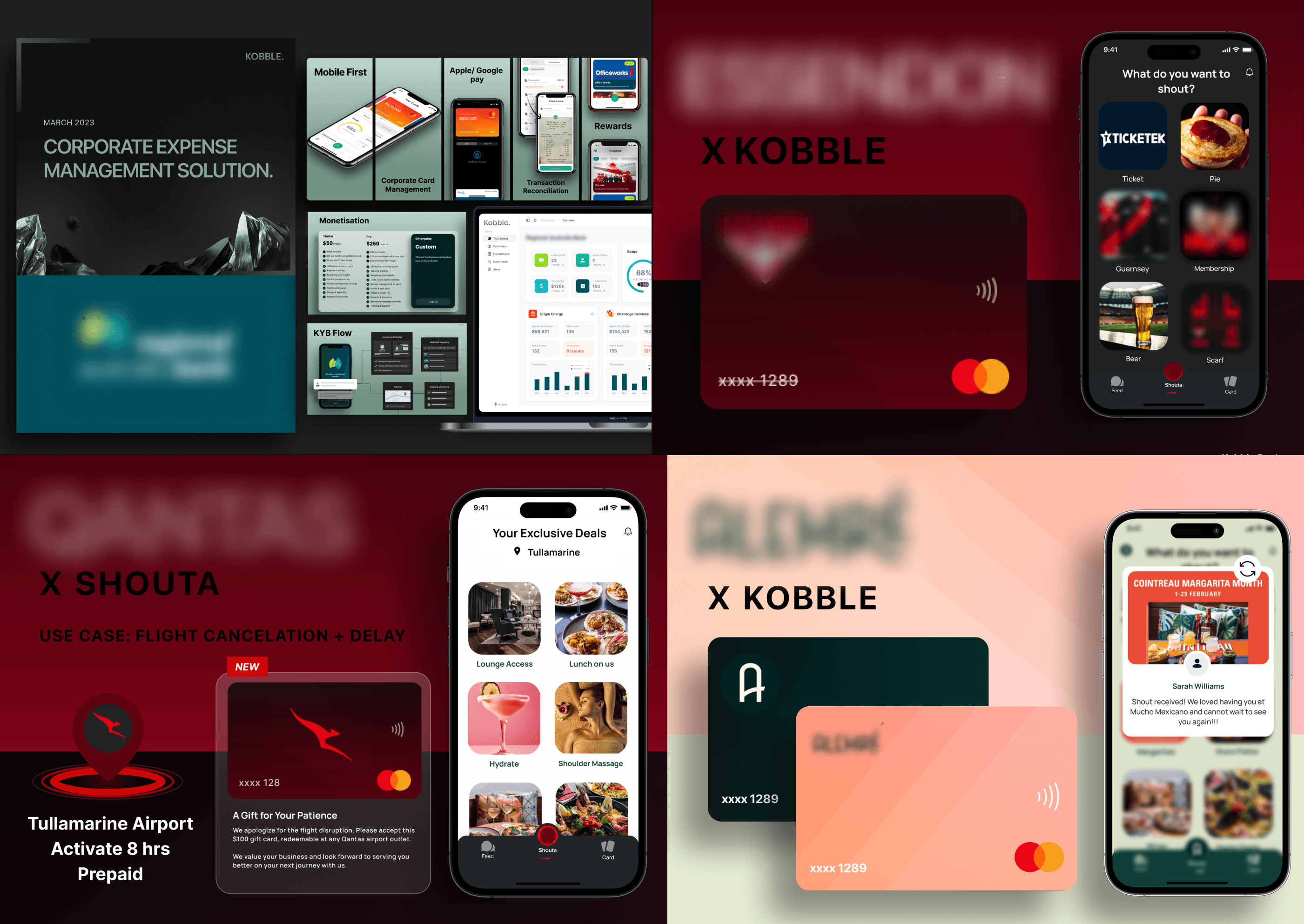
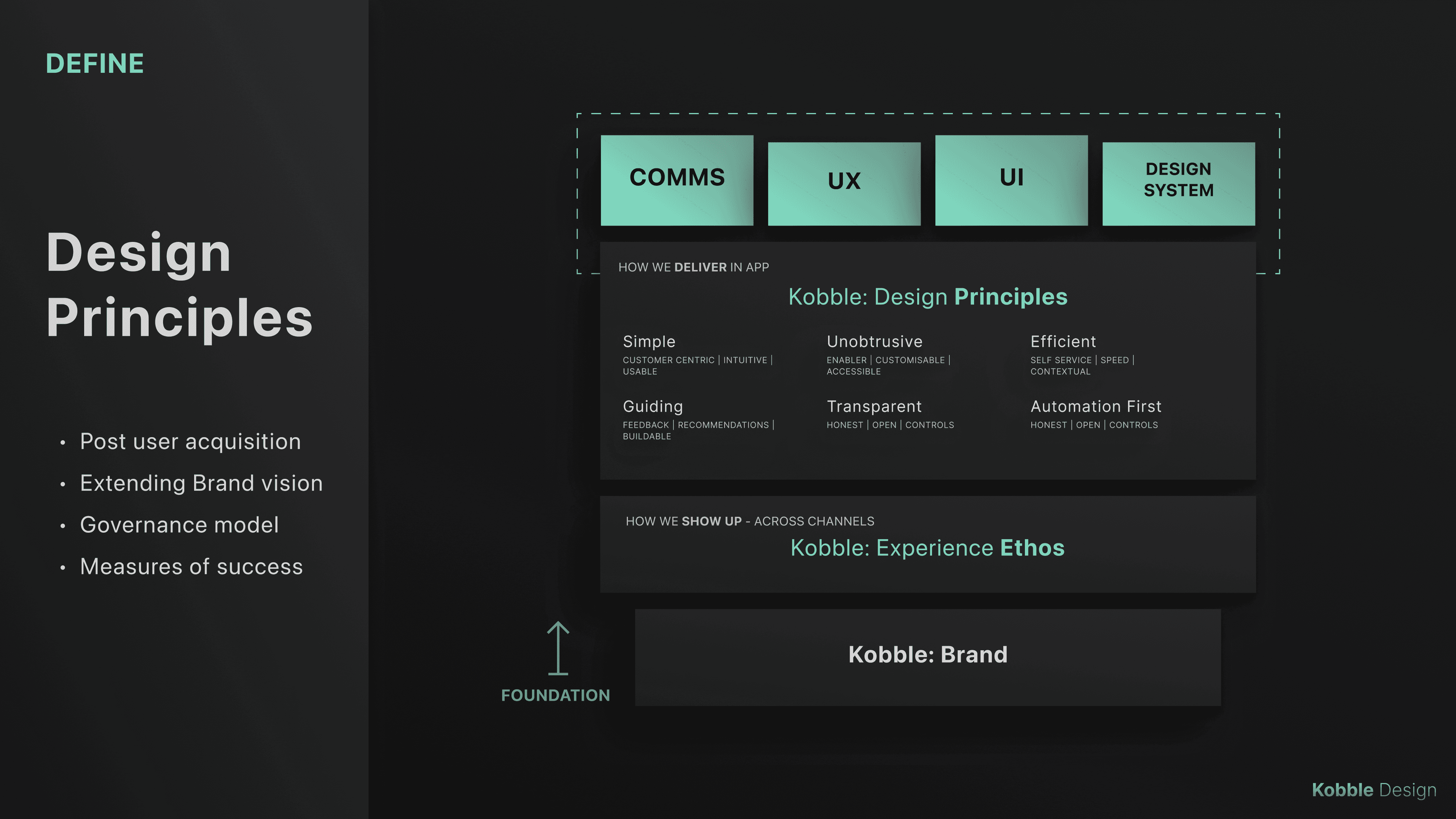
Co-created product scope with Yondr and Shouta, identifying real pain points from their experiences. Consulted with domain leaders on enterprise service design best practices. Defined comprehensive roadmap with design principles aligned to brand vision and governance model with success metrics.
Design Phase:
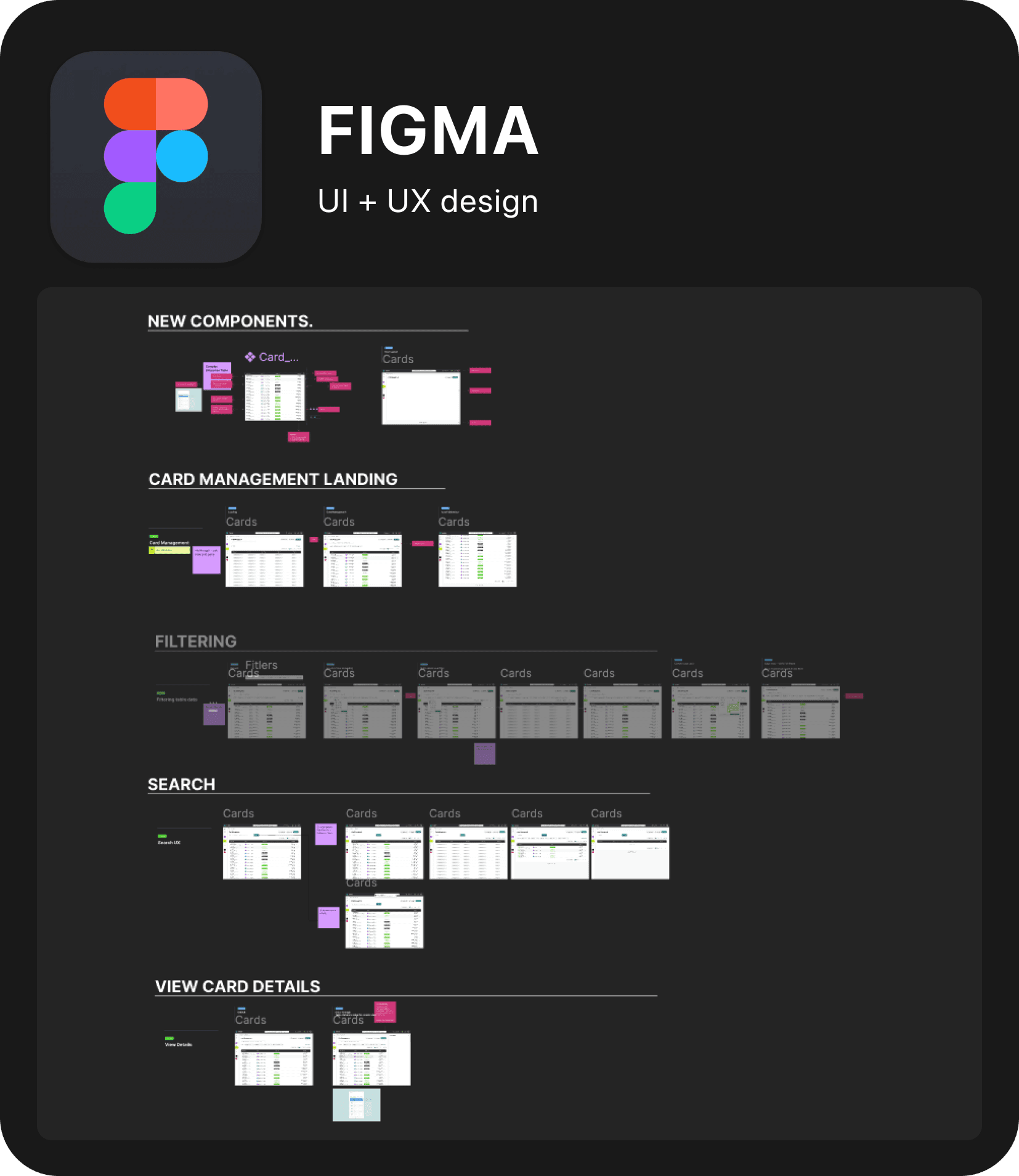
Built on Mantine design system, leveraging its robust component library. Developed custom design system for white-label flexibility, adaptable across various client identities while maintaining core functionality. Drew inspiration from leading B2B enterprise UX.
Implementation:
Microservices Architecture: Cloud-native platform enabling rapid iterations and seamless banking system integration
API-First Design: RESTful APIs with OAuth 2.0 for secure authentication, enabling easy integration with client systems
Mastercard Certification: Integrated their APIs and adhered to stringent security protocols
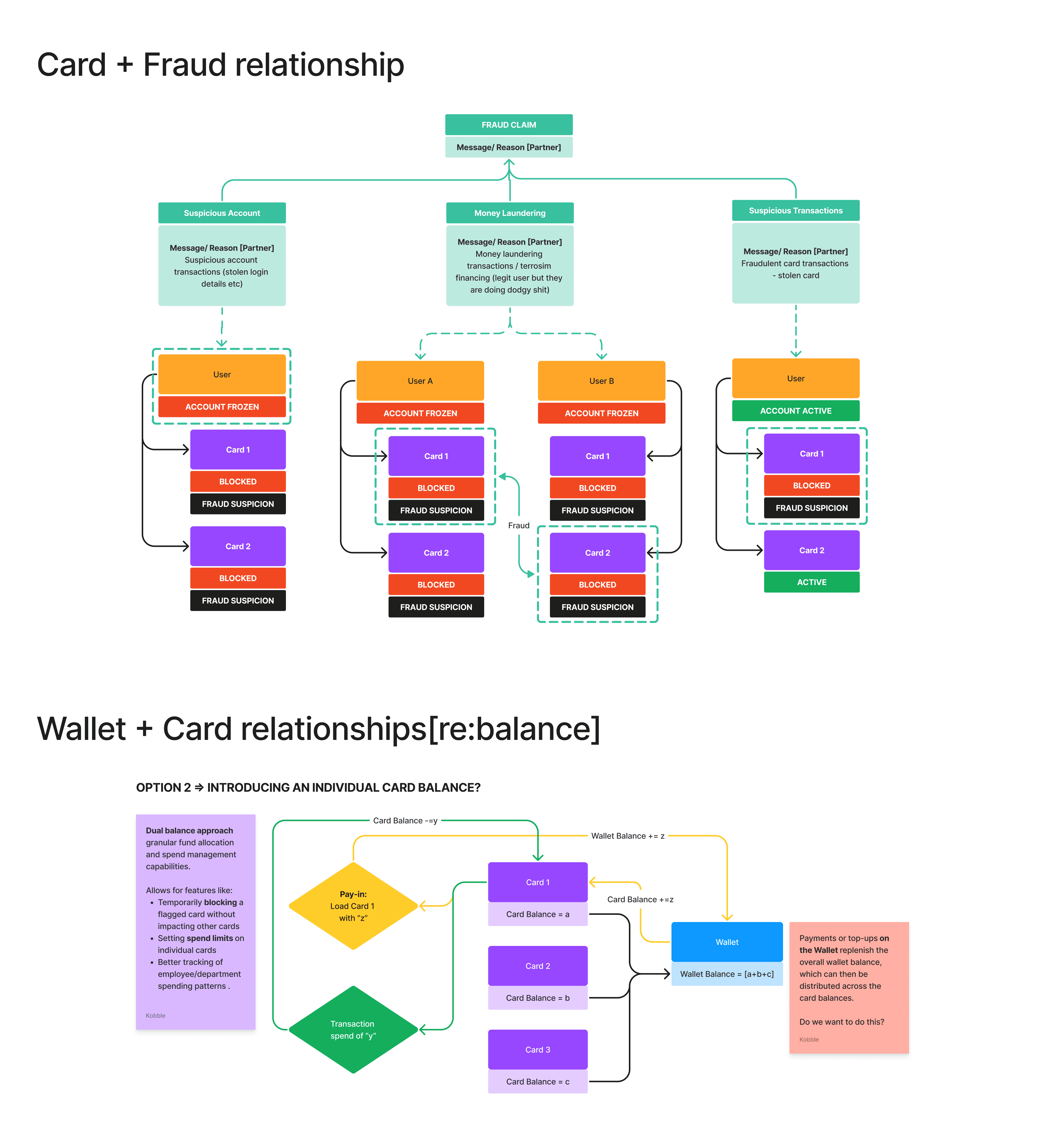
ML Fraud Detection: Advanced algorithms detecting and preventing fraudulent activities in real-time
Design Principles:
Simplicity, scalability, and user-centricity guided every decision, ensuring platform elements aligned with brand mission.
Here's where it got interesting. We now had three interconnected products:
Yondr Money: Digital wallet infrastructure
Shouta: Gift card and prepaid mechanics
Kobble: Card issuing engine
The breakthrough: these weren't three separate products - they were modular components we could plug-and-play together to design custom solutions for different domains.
Corporate expense management? Kobble card issuance + Yondr wallet infrastructure + custom approval workflows
Sports loyalty programs? Kobble cards + Shouta rewards mechanics + fan engagement features
Hospitality employee recognition? Shouta gifting + Kobble cards + expense categorization
Travel rewards for airlines? Kobble issuance + Yondr multi-currency + Shouta points system
Same core engines. Different configurations. Build once, deploy across industries.
The strategic advantage: competitors built monolithic platforms for single use cases. We built an ecosystem that adapted to whatever the client needed.
Impact
Bulk operations took minutes, not days. Upload logo and set colors without developer time. Real-time tracking replaced quarterly reports. Modular architecture enabled entering new industries in weeks - sports, hospitality, travel, financial institutions. Same platform, infinite expressions.
Every frustration from Yondr and Shouta became a problem to be solved by Kobble.
But the real innovation wasn't just solving card issuing, it was the idea of an ecosystem where three products could work together like building blocks, enabling custom solutions across completely different industries without starting from scratch each time.
In fintech, success isn't just in advanced technology. It's in making that technology flexible enough to solve problems across domains.